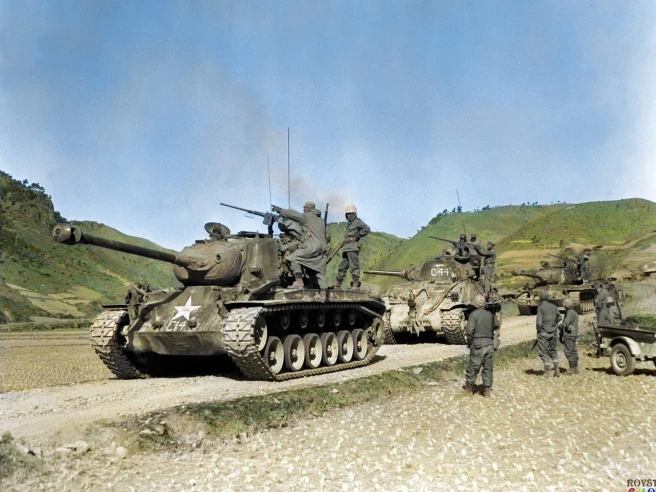
M26 Pershing T26E3

Sometimes, history needs a second chance, and this M26 Pershing is ready for exactly that. Once a powerful symbol of late-WWII armored innovation, this tank has waited decades for someone to bring it back to life.
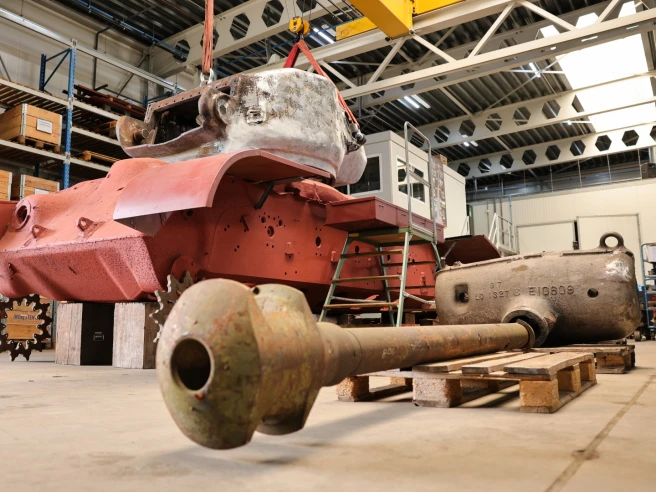
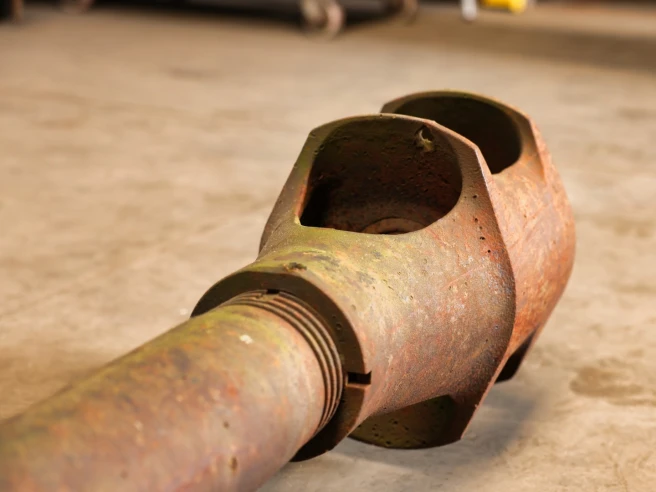
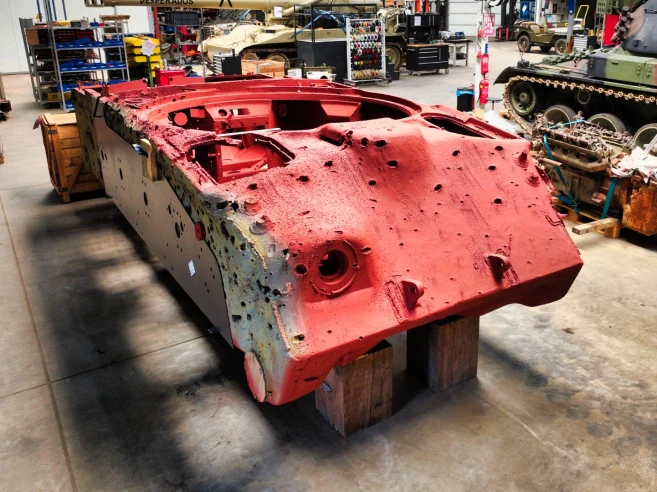
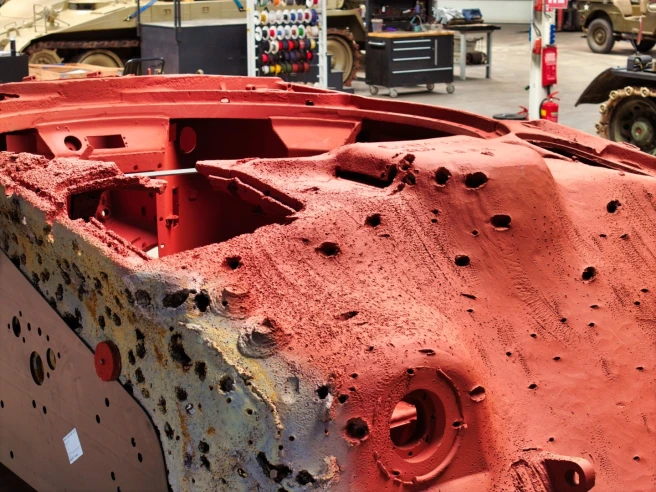
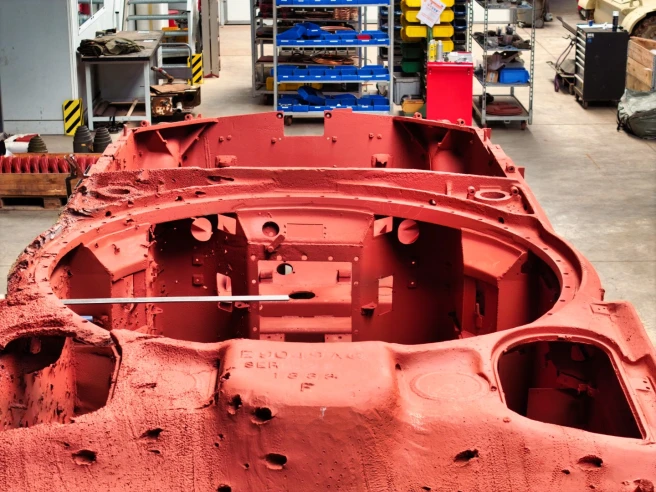
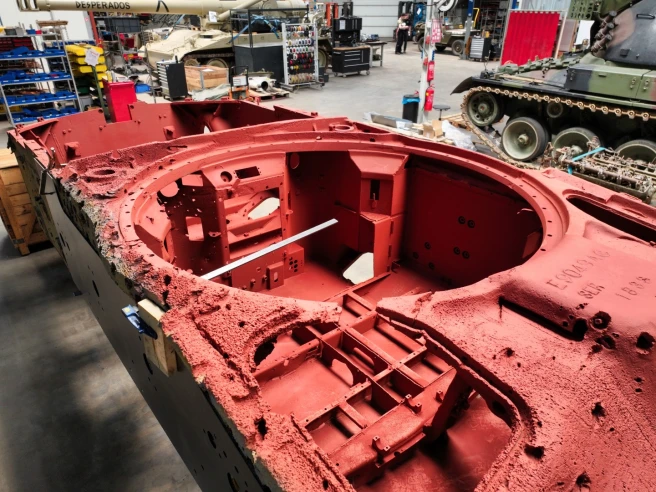
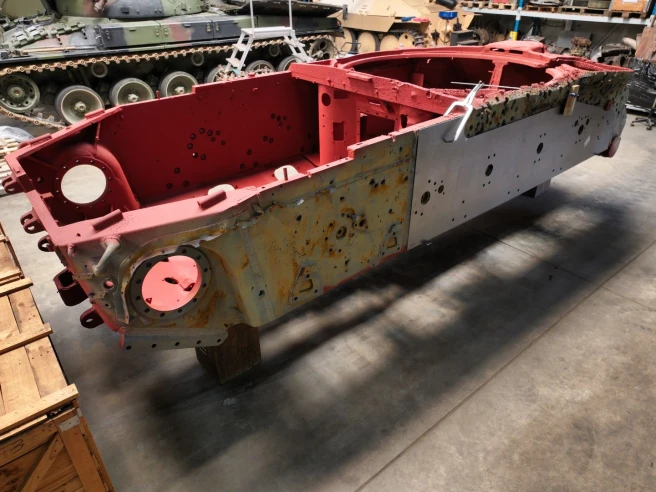
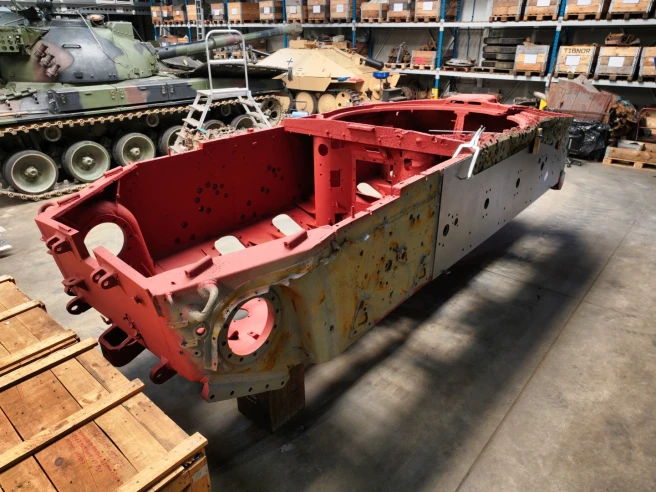
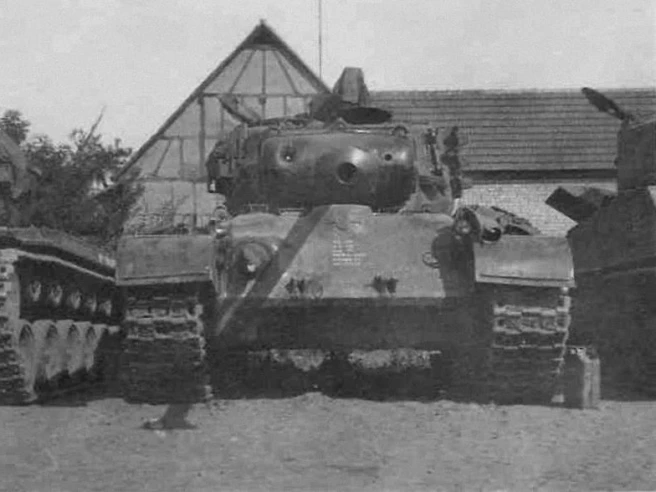
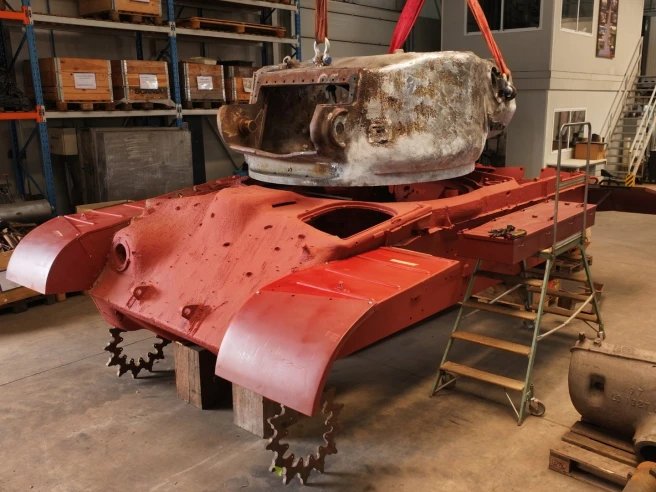
Recovered in 2021 after decades as a training target at Grafenwöhr, this particular M26 has survived the elements, the impact of live-fire exercises, and the wear of time. This early production M26 Pershing T26E3, manufactured by Fisher Tank Arsenal in late 1944 / early 1945 is now ready for a new life and new owner.

Current Condition

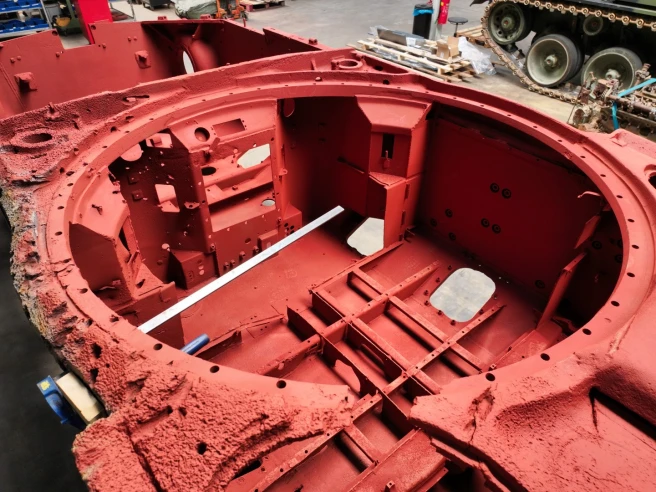
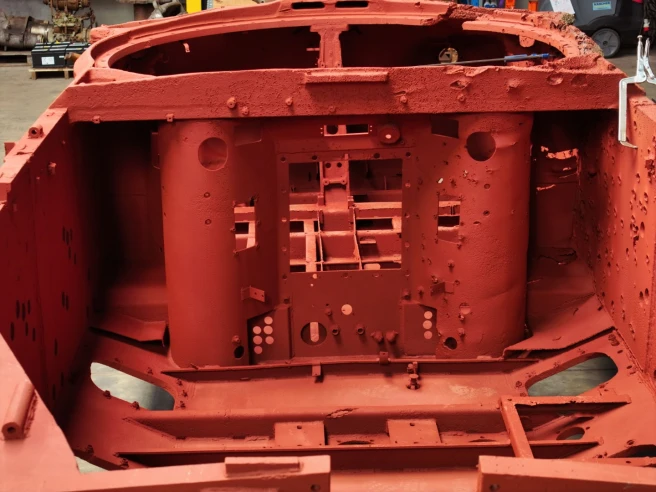
Step into a time capsule, this early-production M26 Pershing is a rare example that still carries the distinctive features of the first series off the line. The original lifting lugs on the turret, the central travel lock, early ventilator intake on the glacis plate, and welded ammunition racks in the hull each tell the story of a tank that once stood at the front lines of history.

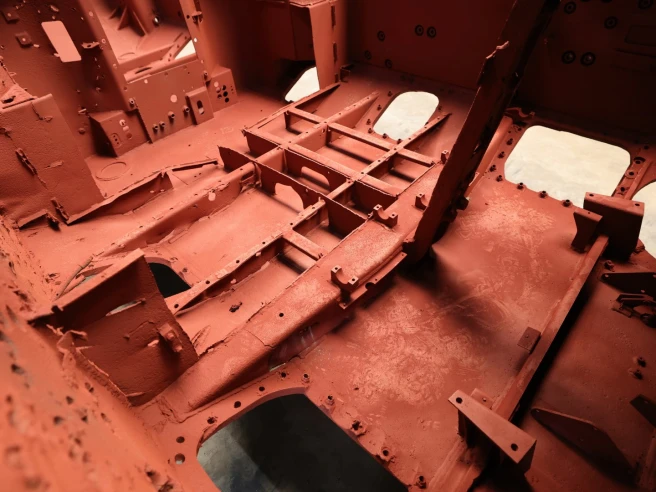
Original interior

What truly sets this project apart is a remarkable discovery in the southern United States. In the 1960s, a devoted Pershing enthusiast carefully removed and preserved nearly the entire original interior: floor plates, control panels, and countless small parts have been kept safe for decades. These components now offer the unique opportunity to restore the inside of the tank exactly as it was in 1945.

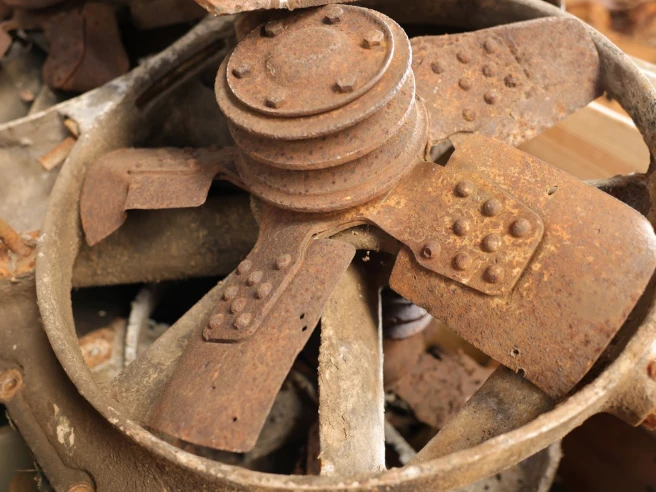
Mechanical parts

The suspension and running gear are equally faithful to the original. An authentic suspension system and a set of partially WWII-dated road wheels have already been sourced, ensuring that this vehicle won’t just look the part, it will move like it did back then. Under the engine deck, an original Ford GAF engine is ready for a full overhaul, soon to deliver the raw power this machine was once known for. The gearbox, differential, wiring harness, and dashboard must all be restored or replaced with factory-spec components.
History

The M26 Pershing was the result of nearly a decade of American tank development, an essential step in improving the firepower, protection, and mobility of Allied tanks during World War II. While the M4 Sherman had long been the backbone of the American armored forces, by 1944 it had become clear that the Sherman was seriously outclassed by the advanced German Panther and Tiger tanks. The Pershing was the long-overdue answer, arriving just in time to leave a lasting mark on the battlefield and in military history.

Development

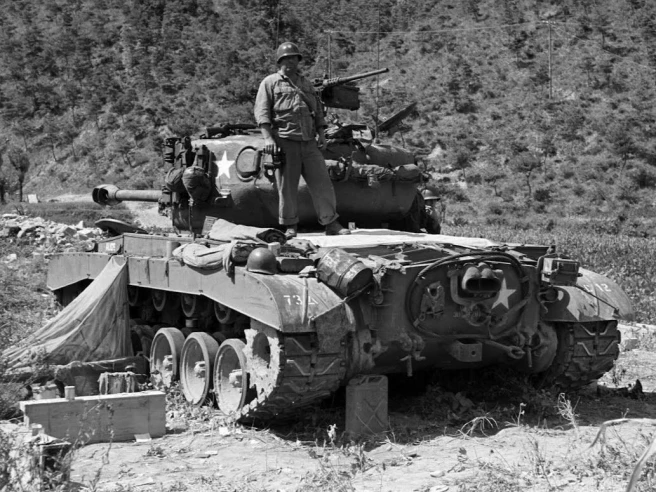
Compared to the Sherman and previous models, the Pershing was revolutionary. The right engine and short transmission gave it a low profile, as opposed to the Sherman. The glacis plate was one of the thickest ever fitted on an American tank to that point. The torsion bar system conferred a noticeably better ride and was leagues ahead of the tractor based VVSS, as well as simpler than the HVSS. The large tracks fitted with soft steel shoes contributed to lowering the ground pressure and giving better grip on soft terrain. Above them, two wide mudguards mounted large storage bins for tooling, spares, and equipment.

Production of the T26E3, later standardized as the M26, began in November 1944. Only a handful were built initially, but output quickly increased to hundreds per month by early 1945. In total, around 2,200 units were produced.

Deployment

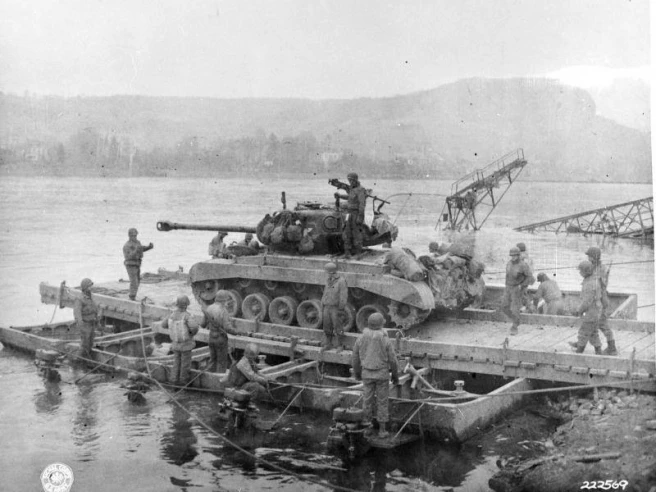
The M26's combat debut in Europe became legendary. In January 1945, twenty early units were shipped to Belgium as part of the so-called Zebra Mission to test the tank in battle. These vehicles were assigned to the 3rd and 9th Armored Divisions of the First Army and saw action on the Western Front in Germany. The most famous engagement occurred in Cologne, where an M26 destroyed a German Panther in a tank duel that was captured on film. Other M26s supported the dash to the Remagen bridge.

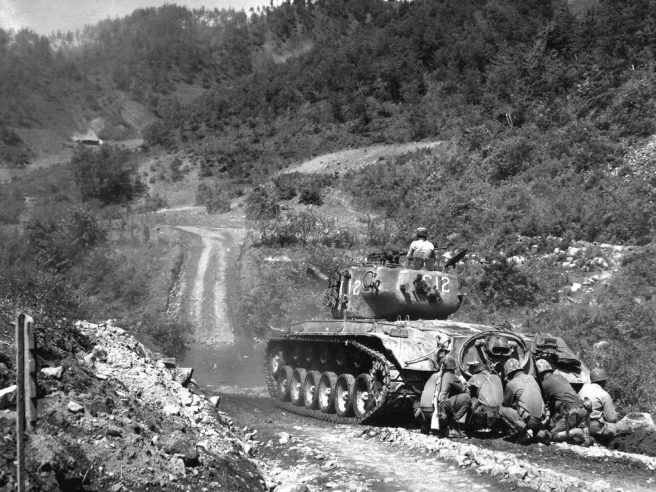
Although the M26 saw combat only in the final months of the war, it proved its worth immediately. The 90 mm M3 gun was effective against German armor, and the tank’s thick frontal armor provided superior protection.

The M26 Pershing was America’s first true heavy tank to see combat in World War II. Its brief but impactful deployment laid the foundation for the later Patton series and marked a crucial transition from medium tanks to the modern main battle tank.

Help keep our shared story alive

Historic military vehicles are more than just a hunk of steel. They represent engineering, craftsmanship, emotion, and an important chapter of our history. Step into the world of historic military vehicles and help us keep this heritage running.